House clearance in Mill Hill for homes, flats and wider household clearances

House clearance in Mill Hill should feel orderly, careful and practical from the first enquiry through to the final sweep-up. Our service is set up to help with full and partial clearances in domestic properties, including houses, flats, loft spaces and garages, with a clear focus on removing unwanted items in a way that leaves the property ready for its next step. We handle the work as a straightforward clearance job rather than as a vague collection service, so the scope can be discussed clearly and matched to the type of property involved.
Because every home contains a different mix of furniture, storage items and general household contents, the work often needs a tailored approach. Some clearances are about a single room that needs to be emptied before decoration or refurbishment; others involve a larger property where furniture, broken items, boxed belongings and mixed household waste all need to be dealt with in stages. We can support that process with structured, item-by-item removal and a sensible plan for access, loading and disposal.
If you are arranging a clearance and want a direct answer on what can be removed, request a quotation once you are ready. For many customers, the simplest next step is to gather a rough list of the main items and the rooms involved, then speak through the practical details. That keeps the discussion focused on the real job rather than on guesswork, and it helps set expectations about the work involved.
Household contents clearance and room-by-room removal
Household contents clearances are often most useful when the property contains a mixture of furniture, personal effects, loose waste and stored items that no longer need to remain in place. We can clear individual rooms or complete properties, depending on the scale of the work and what needs to be removed. This can include wardrobes, beds, tables, chairs, shelving, boxes, small appliances and general domestic clutter, with attention paid to handling items sensibly and keeping the process organised.
For a partial clearance, it is often helpful to separate what stays from what goes before the work begins. That makes it easier to move through the property efficiently and reduces the chance of confusion during the visit. A short written summary is usually enough to begin with, especially if you can note whether the property includes stairs, narrow hallways or heavier items that may need extra care. If you want to compare the practical options first, pricing and quotes gives a useful starting point.
What a household clearance can cover
Depending on the property and the amount of contents involved, a domestic clearance may include furniture removal, bagged household waste, cardboard, ornaments, clothing, books and everyday items that have built up over time. Some customers only need one problem area cleared; others want the entire property emptied ahead of a sale, handover or further work. In either case, the aim is to keep the process direct and manageable, with the work matched to the actual contents rather than to a fixed template.
Furniture removal and disposal for unwanted items
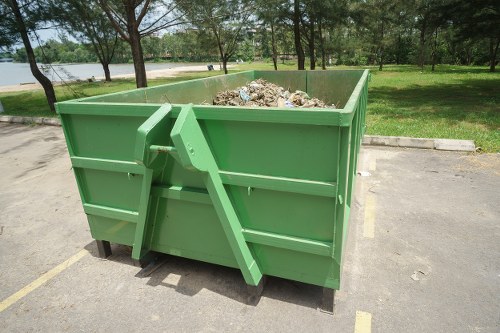
Furniture clearance is a major part of many house clearance jobs, especially where larger items need to be taken out before a room can be used again. Sofas, wardrobes, beds, chests of drawers, dining tables and similar pieces often require more than simple lifting, because access, dismantling and handling all affect how the work is carried out. We can include furniture removal as part of a wider clearance or as a standalone task where that is the main requirement.
Some furniture items are ready to go, while others may need to be separated from fittings, taken apart or moved carefully through tight spaces. That is why it helps to describe the item types at the quotation stage rather than just saying that “furniture needs clearingâ€. A modest amount of detail about size, quantity and access can make the estimate more accurate. If furniture clearance is the primary requirement, furniture clearance is a relevant page to review before you enquire.
We also deal with furniture disposal where pieces are no longer wanted and need to be removed from the property responsibly. In many homes, one clearance visit can combine a few large furniture items with lighter household contents, saving the need to arrange separate jobs. That approach is often more efficient for the customer and makes the end result feel tidier, because the removal plan covers the entire set of unwanted items in one pass rather than in fragments.
Clearances for lofts, garages and stored household space
Stored areas often become the most difficult parts of a home to tackle, because items have been kept there for a long time and may be layered or boxed in. Loft clearance and garage clearance work well when the aim is to reclaim usable space, sort through older possessions or remove broken and unwanted items that have accumulated out of sight. We can clear these areas as part of a whole-house job or as a focused service for one specific part of the property.
These spaces can contain a wide mix of objects, from old suitcases and small furniture to boxes of paperwork, seasonal items, tools and general clutter. Access matters here more than in many other rooms, so the route into the space, the headroom available and the condition of flooring or steps may influence the work involved. If your main need is up in the roof space, loft clearance offers a relevant route into that type of work.
Likewise, garages are often used for storage rather than for vehicles, which means the contents can be dense and difficult to sort through in one go. A garage may hold furniture, old domestic items, garden tools, boxes, paint tins or mixed junk that has built up over several years. If that is your situation, garage clearance is a useful page to check. It can be sensible to separate items that may need special attention, such as liquids, sharp objects or awkwardly stacked materials, so the clearance plan matches the space properly.
Flat clearance and access-led domestic work
Flat clearance often needs a slightly different approach from a standard house clearance, because lifts, stairwells, communal access and parking can all affect how the work is organised. We can assist with clearances in flats, maisonettes and similar homes where the layout requires a more measured removal process. The main aim remains the same: empty the required items cleanly, handle the contents with care and leave the property ready for whatever comes next.
For customers, the most useful information to provide is usually the floor level, whether there is a lift, and what sort of items are involved. That helps shape the work and allows any access issues to be considered before the visit. A flat may need only a few pieces of furniture taken away, or it may involve a fuller clear-out of cupboards, storage items and loose contents. When you need a broader overview of domestic clearing, flat clearance can help you see how that service is presented.
- 1. Clear the main rooms before the visit if possible, so the items to be removed are easy to identify.
- 2. Separate anything that must stay, including documents, valuables or objects you intend to keep.
- 3. Mention stair access, shared entrances and parking constraints when asking for a quotation.
- 4. Group similar items together where practical, especially in lofts, garages and storage rooms.
Garden clearance and outdoor household waste

Many household clearances also reach outdoors, where unwanted items can build up in sheds, borders, patios and side returns. Garden clearance may include the removal of broken outdoor furniture, old pots, bags of green waste, timber offcuts, rusty equipment and mixed rubbish that has been left outside over time. It can be arranged on its own or as part of a more comprehensive home clearance, depending on how much needs to go.
Outdoor areas often need a practical and tidy method because access can be uneven and the contents may be damp, mixed or partially hidden. Rather than treating garden work as a simple binning exercise, it is better to assess whether the clearance contains light garden waste, heavier timber, dismantled items or general household rubbish left outdoors. If the outside space is the main issue, garden clearance is the relevant service page to review.
Where there are broken items in the garden, sheds or side passage, the clearance can sometimes overlap with other household tasks. For example, a customer may want the back garden cleared at the same time as a loft or garage. That can make sense when the property has accumulated several separate problem areas, because the whole job can be planned together instead of being split into multiple visits that handle similar waste streams in isolation.
Office and business waste removal when domestic and commercial needs overlap
Although the core service here is house clearance in Mill Hill, some customers also need help with premises that combine domestic and commercial use, or with home offices that have accumulated office furniture, paperwork and unwanted equipment. Office clearance can involve desks, chairs, filing units, shelving, keyboards, monitors and general office contents. In a mixed-use setting, the work needs to be approached carefully so that the right items are removed and the remaining equipment stays undisturbed.
Where business waste is involved, the work may need a more structured sort of removal than a standard tidy-out, particularly if there are old files, broken office items or surplus equipment that needs to be taken away from a small workspace. We do not treat that as a separate category in name only; instead, we look at the actual contents and the practical route out of the property. If you need a dedicated business clearance, office clearance is the page to consult.
Some jobs are also better understood as mixed waste removal rather than as a single furniture or household item collection. In those cases, the key question is whether the material is mainly domestic, mainly office-based or a blend of both. If you are unsure which label fits best, it is usually enough to describe the contents plainly and ask for the most suitable option. For a broader look at mixed removals, waste removal is a relevant page to consider.
Practical steps that make a house clearance easier to plan
Two or three simple checks can make a quotation more accurate and help the clearance itself go more smoothly. First, it is useful to decide whether the job is a full clearance or a partial one, because that affects how much of the property is involved. Second, if there are any items that must remain in place, those should be clearly separated or identified before the work starts. Third, any awkward access details, such as steep stairs or limited parking, are worth mentioning at the outset.
It also helps to describe the contents in a practical way rather than in broad general terms. Saying that a room contains “furniture and boxes†is useful, but saying that it includes a sofa, bed frame, wardrobe and several bags of household items is even better. That level of detail does not have to be exhaustive. It simply gives the clearance team a better picture of the likely size of the job. If you are ready to go further, contact us is the page to use when you want to make that first approach.
Customers often ask whether they need to sort everything beforehand. The short answer is that a full sort is not always necessary, but the more clearly the keep items are separated from the remove items, the easier the job becomes. A basic tidy-up, a quick list and a clear note about access are usually enough to begin. After that, the quotation can be discussed on the basis of the real work rather than assumptions, which keeps the process practical and transparent.
Pricing factors, property type and the quotation process

House clearance pricing is normally shaped by a small set of practical factors: the amount of contents to be removed, the type of items involved, the access to the property and the time needed to complete the work. A compact flat with a few items will naturally differ from a larger house with multiple rooms and stored contents. The same applies to jobs involving awkward furniture, loft access or items that need to be taken down stairs carefully.
Because of that, a quotation is most useful when it reflects the specific job rather than a vague guess. We can consider the main rooms involved, the approximate volume of items and any special access points that may affect loading. If you want to understand how costs are framed before you decide, pricing and quotes is the obvious page to check. It gives you a starting point for comparing the practical elements of the job before asking for the final figures.
When the property includes several types of unwanted items, it can be helpful to mention which parts are the priority. For example, a customer may want the furniture removed first, followed by the loft or garage contents. That kind of order can be built into the plan, as long as the job is described clearly. Clear priorities save time and reduce confusion, especially when a home has more than one area that needs attention.
Responsible handling, safety and the way we approach removed items
Responsible clearance is about more than getting items out of the door. The process also needs to be handled with care so that the property is protected and the items are managed appropriately after removal. Different sorts of contents require different handling, and a sensible clearance service pays attention to separation, loading and disposal rather than treating everything as a single heap of material. That is especially important in homes where the contents include mixed household items, furniture and general waste.
If you want to understand how we think about handling, storage and disposal, insurance and safety is a helpful page to review. It may also be worth looking at recycling and sustainability if you want to see how removed items are approached in broader terms. These pages do not replace a clear job description, but they can add useful context when you are choosing how to move ahead with a clearance.
Safety matters throughout the job, from lifting heavier items to moving through tight spaces and shared entrances. For that reason, it is sensible to keep walkways clear, mention fragile areas and avoid leaving small obstacles in the route where possible. The best clearance jobs are usually the ones that are planned with ordinary practical care, because that allows the work to proceed steadily and leaves less room for avoidable problems along the way.
About Mill Hill

Mill Hill is an area in the London Borough of Barnet in north London, shaped by a long history of settlement, transport and change from rural outskirts to a more built-up suburban district. The name is commonly associated with both the broader area and specific local pockets, including Mill Hill Village, which has a distinct older character compared with the more modern residential streets around it. The local landscape still reflects that layered development, with roads, open spaces and surviving historic buildings sitting alongside later twentieth-century housing. One of the best-known institutions associated with the area is Mill Hill School, founded in the eighteenth century, which has given the district a long educational presence. The area also includes links to older religious and civic history, with St Paul’s Church in Mill Hill Village standing as part of that earlier settlement pattern. Transport has played an important role in shaping the area, especially the arrival of the Midland Railway and the later development of Mill Hill East as a station area. At the same time, the district has retained pockets of green character and access to open land, including local parks and commons that help distinguish it from denser parts of north London. The combination of village remnants, suburban streets and later estates gives Mill Hill a varied built environment rather than a single uniform identity. That mix is visible in the architecture too, where older village buildings, interwar homes and newer developments sit within the same general district. For residents and visitors alike, Mill Hill feels like an area where local history remains visible in the street pattern, while modern living continues around it in a practical, everyday way.
Home clearance for changing circumstances and property handovers
Home clearance is often needed when a property changes hands, when a household is being reduced or when rooms need to be emptied for redecoration, repair or sale. In those situations, the important thing is not simply removing items quickly, but understanding what the property contains and what outcome the customer needs. Some jobs involve one or two bulky items; others require several rooms of contents to be cleared in a sequence that keeps the house usable until the work is complete.
We can work through a property in a methodical order, starting with the rooms or spaces that are easiest to access and then moving to the more awkward areas. That is often the most sensible route when a house contains both large furniture and stored items. If the job is essentially a complete domestic clear-out, home clearance is the right place to look for the core service. It sets out the home-focused nature of the work more directly than a general waste page would.
For some customers, the best approach is to combine the clearance with a broader plan for the property. For others, the need is narrower and focused on a single room. Either way, the service is shaped around the actual contents and the practical result. That makes it easier to keep the process calm and controlled, especially when the clearance is part of a wider move or handover timetable. Measured planning is usually better than rushing the work into an unrealistic slot.
Furniture and house clearance details for larger or mixed loads
House clearance jobs often include a combination of large furniture and smaller household contents, and it helps to think about the load in those terms before asking for a quotation. A single sofa and a few boxes is a very different task from a property with several bedrooms, a living room set, cupboards, shelves and loft storage. The more clearly the contents are described, the easier it is to set out the work and plan the removal in a sensible sequence.
When mixed loads are involved, we look at the type of items, how they are grouped and whether any parts need dismantling or special handling. This matters because bulky pieces can affect the route through the property and the time needed on site. If you are dealing with a wider domestic clear-out that is not confined to one room, house clearance is the central service page to use. It reflects the broader scope of the work better than an item-specific page.
For customers with several clearances to manage at once, it is often useful to prioritise the items that are taking up the most space or causing the most obstruction. That can create a clear working order without making the job more complicated than it needs to be. A straightforward, informed plan is usually better than trying to break the work into too many separate stages, especially where the aim is simply to get the property back into order.
Making an informed request for a quotation
When you are ready to request a quotation, it helps to keep the request focused on the main facts: the property type, the rooms or areas involved, the kind of contents to be removed and any access details that may matter. That is usually enough to begin a useful discussion and avoids unnecessary back-and-forth. A good request does not need to be long; it simply needs to reflect the actual clearance work that needs to be done.
You can also mention whether you need the job done as one complete clearance or as a partial removal with certain items left behind. If there are pieces that are too large to move easily, it is worth saying so. If you are comparing different kinds of clearance, you may find the relevant page for the specific service helpful, whether that is furniture disposal for unwanted pieces or another domestic page for a broader room-by-room job.
The last step is straightforward: send through the details, ask for the quotation and wait for the practical response. If you prefer to start with the most direct contact route, contact us is the final page to use. Request a quotation when you are ready, and keep the description of the job clear enough to reflect the work that really needs doing.